
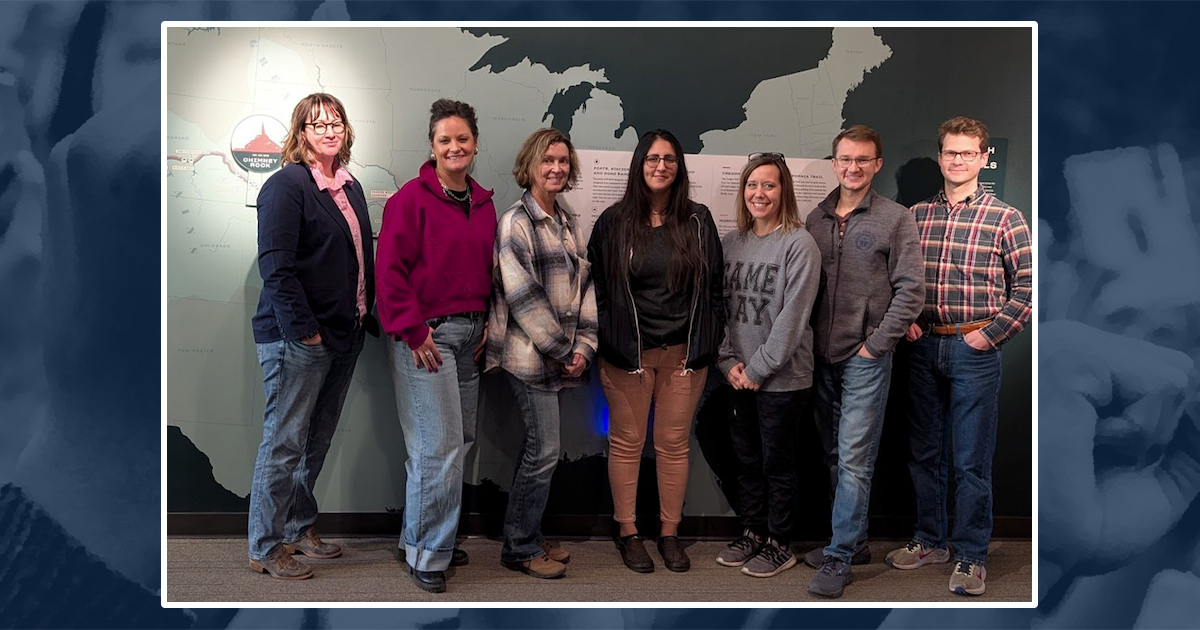
When RaNae Calder signed on to join the Idea of America Fellowship’s inaugural cohort last year, the native of Crawford – home to roughly 850 people – was looking to learn.
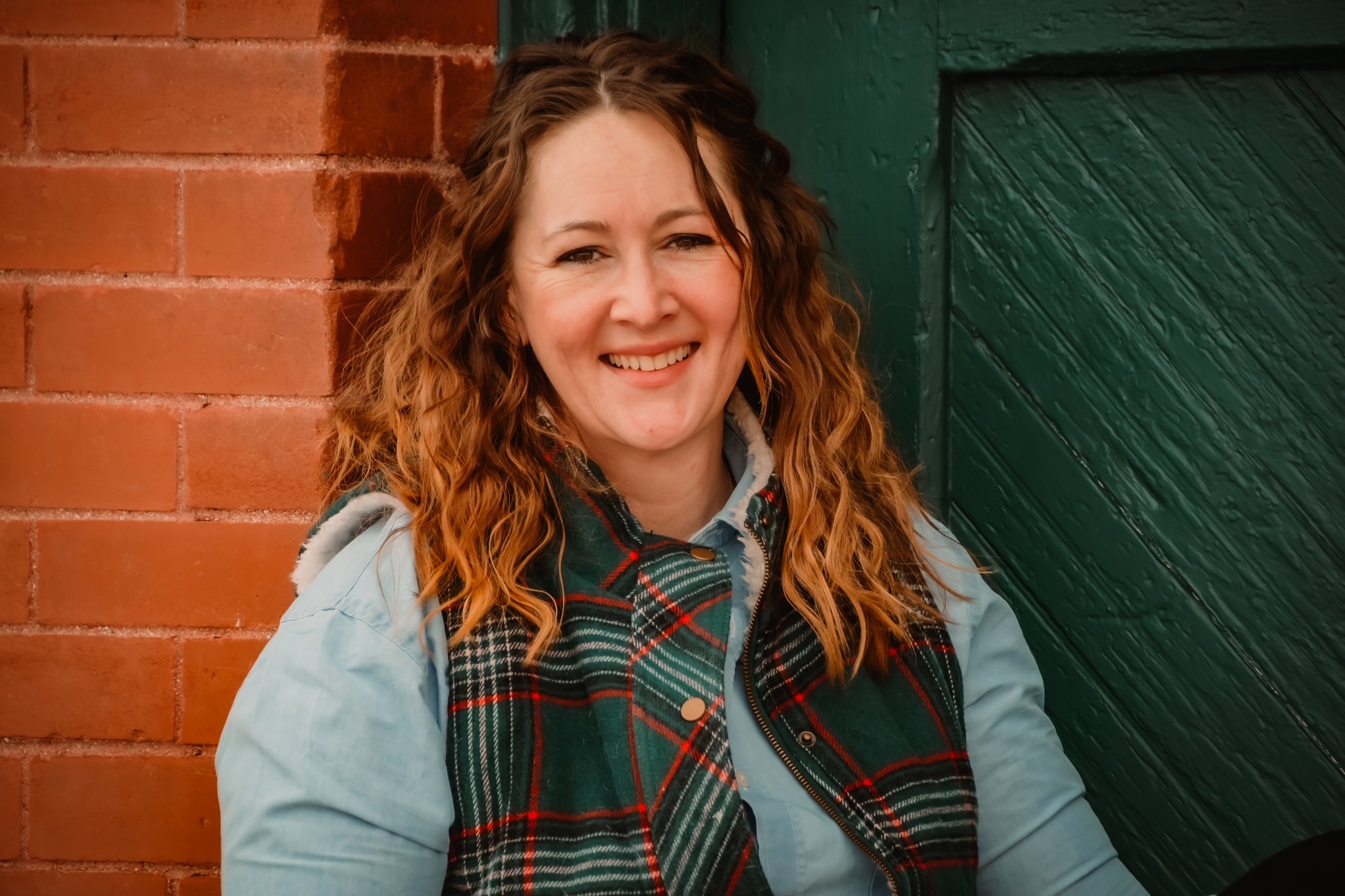 “I just have that curious mind,” said Calder, a self-described history buff. “I always want to learn something.”
One way, she figured, was putting herself in a room and in conversation with folks who were reading the same material she was — some John Locke here, an Abraham Lincoln address and MLK speech there — but might approach it from angles different than her own.
Across several months and multiple sites in the Panhandle, Calder and six other aspiring or elected leaders from the area read those historic texts as an on-ramp to hashing out the fundamental questions of democracy. How should a democratic state balance self-interest with the common good? What’s a leader to do when the ideal path and the pragmatic path seem to diverge? What does it mean to be a good citizen, anyway?
As she expected, Calder’s own thoughts on those questions, and their implications for leadership in a community, sometimes stood out in the room.
“I am a super-liberal Democrat, probably one of the very few in my town,” she said, laughing. “I was definitely not the norm in that group; I would say the rest was probably a typical small-town Nebraska sampling.
“But (the moderators) were fantastic at making sure people were able to speak their opinion but also respect others.”
As the fellowship went along, Calder found herself connecting especially with another resident of Crawford, who has since become its mayor. Though the two knew each other beforehand, Calder said the experience of spending hours together during a fellowship session, then debriefing in the car on the way home, inevitably brought them closer.
“I honestly didn’t fully get to know her until the fellowship,” Calder said. “She was an acquaintance, and now, after the fellowship, we talk every week. She’s definitely one of my Top 5 closest friends now.”
While Calder remains squarely on the left of the political spectrum, her friend resides somewhere in the center. Calder did recall feeling her blood simmer when another member of the cohort, from the opposite end of that spectrum, shared an opinion that Calder vehemently opposed. Even so, she said, that same member has passed along some much-needed resources on how to revitalize a community – a priority the two share.
“And I guarantee that if I had a question,” Calder said, “she would still be willing to help, even though we did not see eye to eye politically.
“I see her at more events than I see anybody else, because she’s passionate about bringing stuff to the community.”
As a single parent raising a child while often working 50 hours a week, Calder said she appreciated the grace she received when she couldn’t manage to finish every last page of a reading.
Those same responsibilities have meant that she can’t always invest as much time serving and revitalizing Crawford as she would like, at least for now. But the connections she reinforced and developed through the fellowship, especially in a context that foregrounded both candor and respect, have made the fellowship easy to recommend, she said.
“It definitely helped me approach those who think differently from me — how I need to step back and maybe re-word my stance on things, so I’m not personally attacking. I’m almost 50,” she said, “and it still helped with that.”
