
Immigrants. Transgender Americans. Journalists. Teachers. Librarians. Scientists. Election workers. These, and many others, have been portrayed as threats to the American way of life. It has resulted in a dangerous kind of collective avoidance, where we outsource our fears to scapegoats and lose sight of the fundamental issues right in front of us.
American democracy relies on an engaged public that can make informed decisions based on evidence, shared facts, and the understanding that no single person or group possesses all the answers. But if we live in denial – if we shut our eyes to complexity and cast blame instead of building understanding – then we become vulnerable to manipulation, misinformation, and yes, authoritarianism.
So what can we do about it? We believe the antidote is constructive realism: an honest, grounded, action-oriented approach to civic life. Here’s what that looks like in practice.

First, we meet people where they are and address their genuine fears and experiences. We don’t pretend that the world isn’t changing rapidly. It is. And it’s hard. Automation is transforming the workforce. Climate instability is creating new pressures on families, farmers, and frontline communities. The information landscape is overwhelming, fragmented, and often hostile. Denying these challenges doesn’t make them go away, it just leaves us less prepared. That’s why our civic health work starts with listening, not lecturing. Acknowledging people’s struggles and validating their concerns is the first step toward building a common purpose.
Second, we strengthen civic literacy. When people understand how systems work, from local school boards to the Electoral College, they are better equipped to cut through rhetoric and propaganda. Civic Nebraska offers nonpartisan education and training that enables Nebraskans of all ages to ask more informed questions, seek credible information, and participate productively in their communities. We teach the skills of democracy because they are not innate. They must be practiced, refined, and passed on.
Third, we build emotional resilience. We must build efficiacy in how we handle disagreement, disappointment, and discomfort. In a culture that glorifies certainty and outrage, it takes genuine courage to sit with ambiguity or admit when we are wrong. That’s why our programs, such as Civic Saturdays, youth civic leadership development, and our community asset-mapping sessions, center on human connection. These spaces foster trust, empathy, and the ability to navigate challenging conversations without retreating into defensiveness or despair.
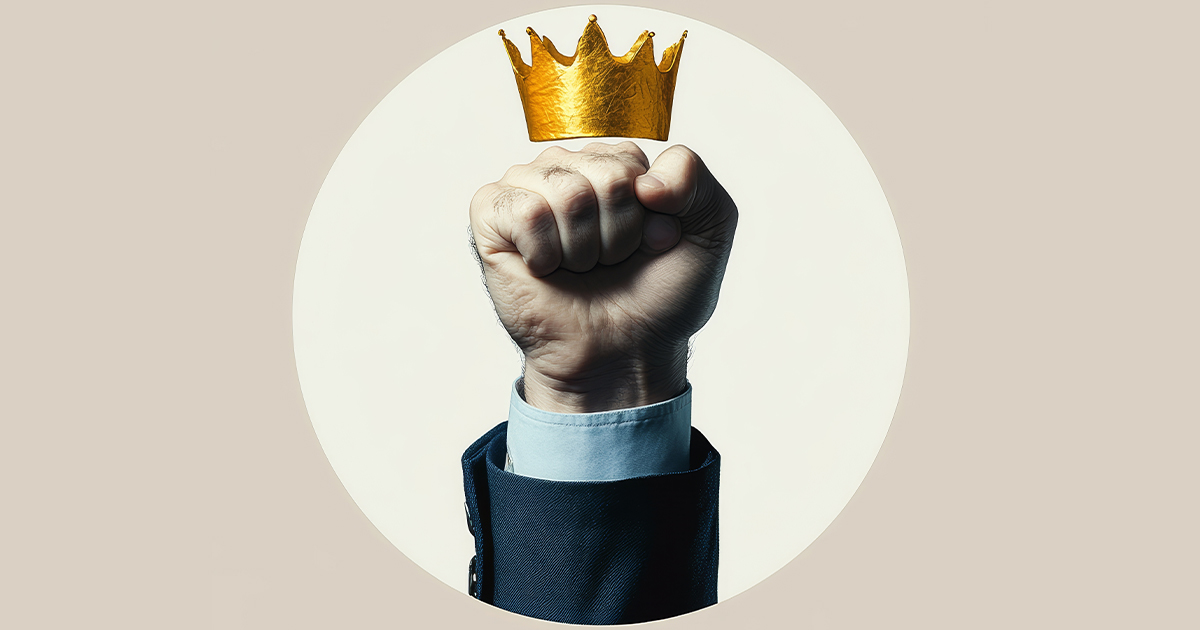
There is no shortcut around the challenges we face. But there is a way through, and it starts with reclaiming our shared reality. Trumpism thrives when we are overwhelmed, disoriented, and divided. But a community grounded in truth, strengthened by civic knowledge, and committed to facing the future together? That’s a force far more potent than any strongman.
So let’s reject the fantasy that someone else will fix things for us – or that somehow, others are to blame for our problems. Let’s come back to one another, back to our communities, and back to the essential work of democracy. The only way out of this is through, and naturally, we’re stronger when we face it together.